

It’s a windy morning, and you’re halfway through your commute when your hair catches on your jacket zipper. You pause, gently pull it free and feel that familiar knot forming. For people with curls and coils, moments like this aren’t unusual. They’re part of how textured hair moves through the world. Tangles don’t come from one big moment. They build from everyday interactions — small points of contact that add up over time. Understanding that shift can make your routine feel less frustrating and more intentional.
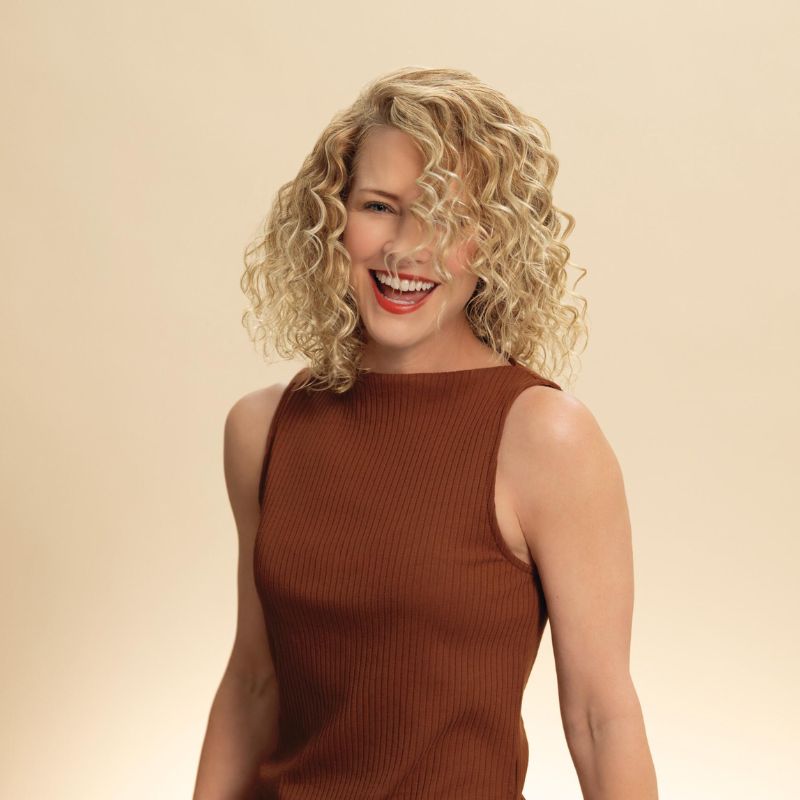
The Way Curly Hair Moves
Curly hair bends and curves along the strand, creating texture, volume and shape. But that same structure means strands don’t always move in the same direction. They loop, wrap and interact with each other constantly, which makes them more responsive to their environment. This isn’t a flaw. It’s simply how textured hair behaves.
What Your Hair Experiences Every Day
Even with a consistent routine, your hair is always in motion and responding to what’s around it.
- Friction from clothing and surfaces
Jackets, scarves and pillowcases can create subtle resistance that makes strands more likely to catch. - Weather changes
Seasonal shifts, especially moving into spring humidity, can affect how hair absorbs moisture and holds its shape. - Sun exposure
Time outdoors can gradually reduce moisture, making strands more prone to tangling. - Daily movement
Wind, activity and even small movements throughout the day can cause strands to wrap around each other.
These aren’t problems to fix; they’re shared experiences for people with textured hair.
What the Right Tool Changes
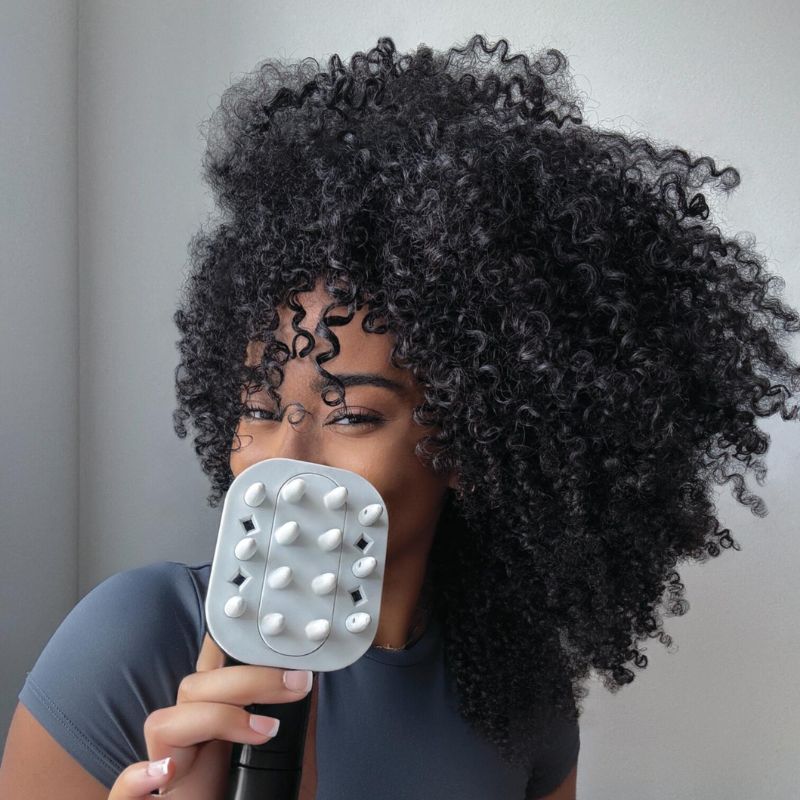
When detangling becomes difficult, it’s often because tools are working against the natural movement of the hair. Tools designed for textured hair, like VersaCurl™, are built to work differently. Instead of catching at every bend, flexible bristles and water flow help guide strands apart, especially when hair is saturated with conditioner. That shift can change the experience entirely:
- Less pulling
- More control
- A smoother, more predictable routine
It’s not about forcing hair into place, it’s about working with it.
A Better Way to Care for Your Curls
Tangles are part of the textured hair experience. They’re not something to eliminate, they’re something to understand. When your routine supports how your hair naturally behaves — with moisture, patience and the right tools — everything starts to feel easier. Not perfect. Not controlled. Just supported.
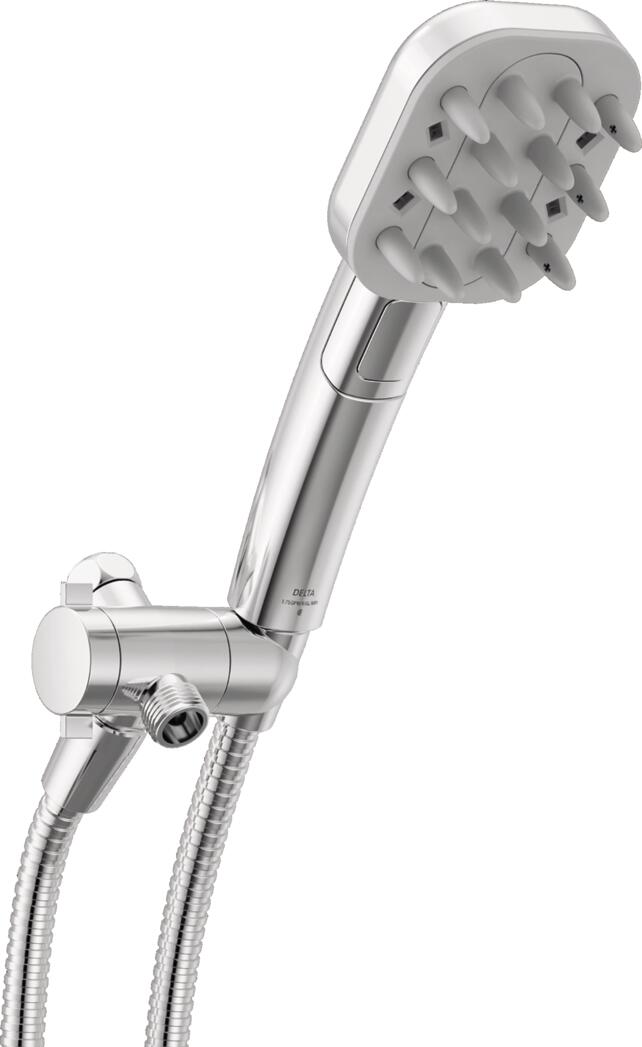
Detangling Shower Tool
The Delta® VersaCurl™ Detangling Shower Tool is designed to accommodate all curl types and level-up your curl care routine. With soft, flexible teeth that feature integrated water jets to target rinsing and detangling, this shower tool takes your hair wash...
View Product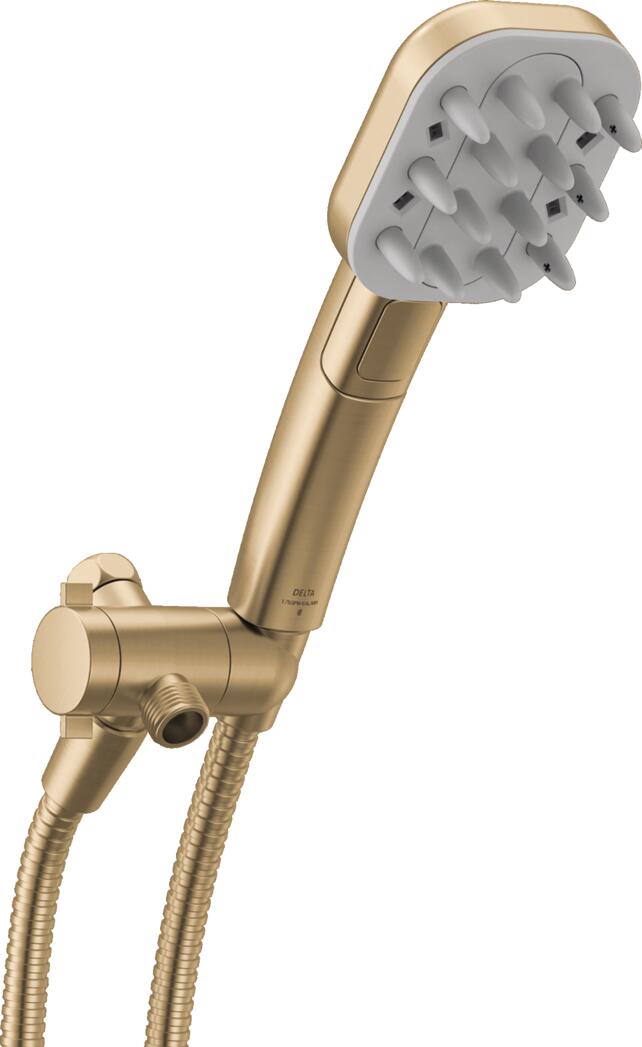
Detangling Shower Tool
The Delta® VersaCurl™ Detangling Shower Tool is designed to accommodate all curl types and level-up your curl care routine. With soft, flexible teeth that feature integrated water jets to target rinsing and detangling, this shower tool takes your hair wash...
View Product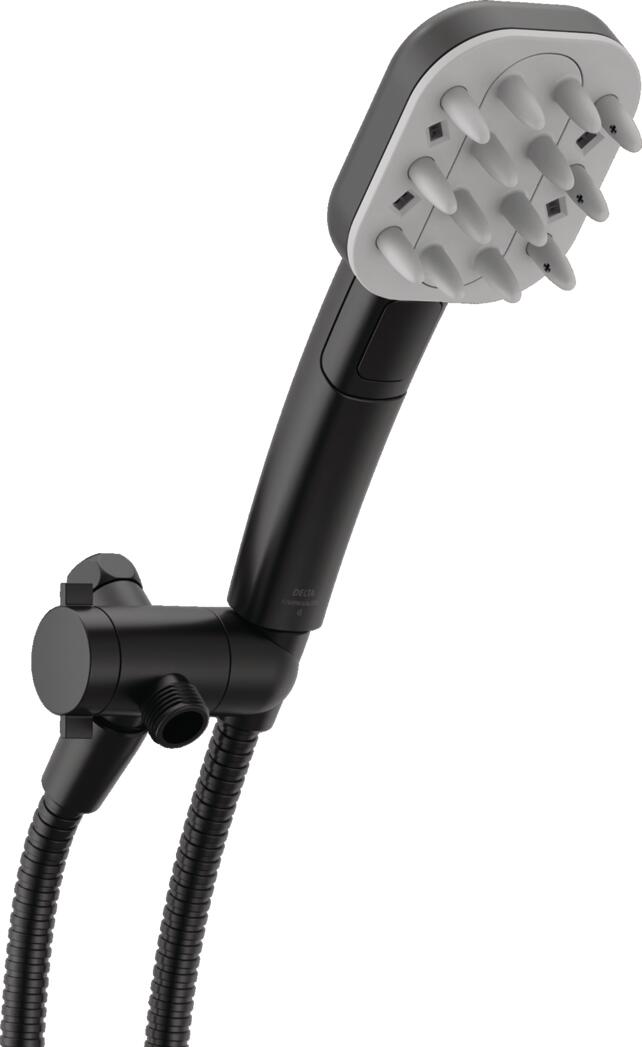
Detangling Shower Tool
The Delta® VersaCurl™ Detangling Shower Tool is designed to accommodate all curl types and level-up your curl care routine. With soft, flexible teeth that feature integrated water jets to target rinsing and detangling, this shower tool takes your hair wash...
View Product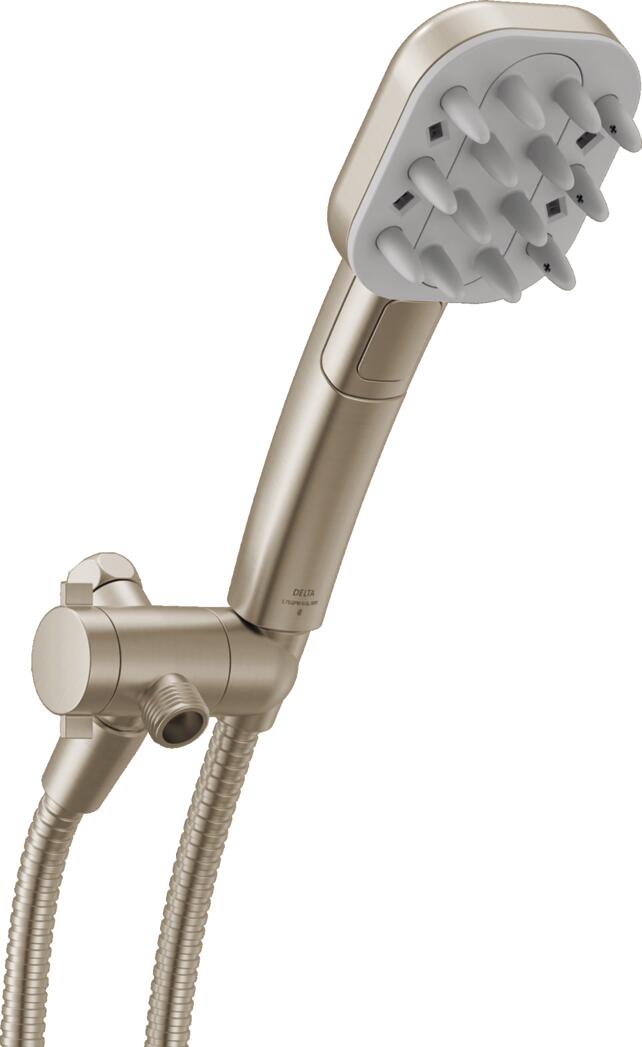
Detangling Shower Tool
The Delta® VersaCurl™ Detangling Shower Tool is designed to accommodate all curl types and level-up your curl care routine. With soft, flexible teeth that feature integrated water jets to target rinsing and detangling, this shower tool takes your hair wash...
View ProductRelated stories.

Impactful Innovation
7 Times You'll Wish You Had a Pot Filler

Impactful Innovation
HydroRain and Other Luxurious Splurges for the Bath

Impactful Innovation
New Year’s Wish List for Making Your Home Smarter