How to Start a Remodel

Key Takeaways

  • Get clear on goals by identifying which spaces need the most attention and why
  • Gather inspiration that reflects style and/or differ solutions such as organization hacks
  • Create a realistic budget, including a contingency fund for unexpected expenses
  • Build a practical timeline and decide which projects you can DIY versus hiring a pro
  • Complete key planning steps before construction begins to stay on track
     

Are you envious of your friends' recently remodeled photos and imagine yourself DIYing your way to a fresh space? If you have been overwhelmed by the thought of how to get there from zero, you’re not alone. 

Although a lot goes into a home remodel, by carefully planning and embracing the process, you’ll soon be ready to take your own “after” photos and enjoy showing off your refreshed space.

Here are 5 steps to launching your own refresh for a tired looking bathroom or tackling a major renovation.


Define Your Goals and Priorities

Not every room may need a remodel—at least not to the same extent. Take a walk through your home and see what catches your attention. What do you want to change and why?

Don’t worry yet about the cost or digging into the details, just write down what catches your attention.

Later, we’ll narrow down and prioritize. 


Which Rooms Should You Renovate First? 

For example, if your bathroom feels dated, you might think about replacing the faucets and updating the vanity. If your kitchen is too dark, rolling out a fresh coat of paint and adding track lighting may do the trick. 

Bored with your master bathroom? New, fresh décor could be all you need to revitalize the space.


How to Decide What's Worth Updating

If you have more than one or two rooms on your remodel list, decide how much to tackle now and what can wait until later. Here are a few considerations to help you decide which rooms are worth updating immediately:

  • Having guests or family staying in your home (does that guest room need a little gusto?)
  • Hosting holidays (can you add functionality to make your life easier?)
  • Out with the oldest (which room hasn’t had a refresh the longest?)
  • Juice worth the squeeze (would renovating that one room for function and style really make your everyday a lot more enjoyable? Do it first!)
  • Easy wins first. If you’re feeling overwhelmed, start with an easy refresh, then go from there.
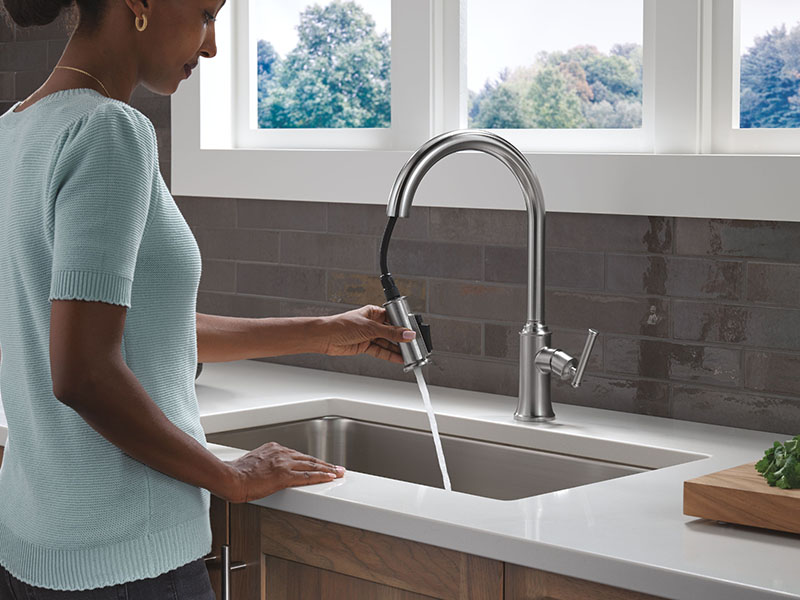
Make post-holiday cleanup faster with the Westville Single Handle Pull-Down Faucet in Arctic Stainless.

Make post-holiday cleanup faster with the Westville Single Handle Pull-Down Faucet in Arctic Stainless.

Of course, every project comes with its own cost, timeline, and skill requirements. Consider your comfort level, available free time, and budget when deciding what to tackle yourself and when to bring in a professional. 

For example, you may feel confident replacing a faucet but prefer to leave behind-the-wall plumbing work to an expert. 


Find Home Remodeling Ideas That Match Your Lifestyle

If you haven’t been doing this already, now’s the time to gather inspiration: peruse pictures online (check out our hundreds of design ideas on Instagram and Pinterest, read design blogs, and binge-watch home improvement shows. 

Hone in on the styles that speak to you and collect the images that capture the vision of your new room. Note what you like about each space and why: what draws you to it, and which elements spark your imagination.

Equally important, make notes about what you don’t like. This exercise helps you define your personal design style. If you decide to work with a professional designer, your notes will help them create a space you’ll love from floor to ceiling.


Discover Your Design Style

Your style might be considered traditional if you’re drawn to warm, rich, inviting colors and soft, tactile textures. 

Are you finding yourself drawn to designs marked by minimalist décor, ample open space, crisp lines and high-contrast colors? Contemporary design might be your style.

Maybe you’re more transitional: a blended style that borrows from both traditional and contemporary design. For example, leaning toward neutral colors on the walls with splashes of personality from modern furniture pieces. 

When you know the look you’re after, it will be easier to pull together the elements of your home remodel.


Planning a Space Around Daily Life

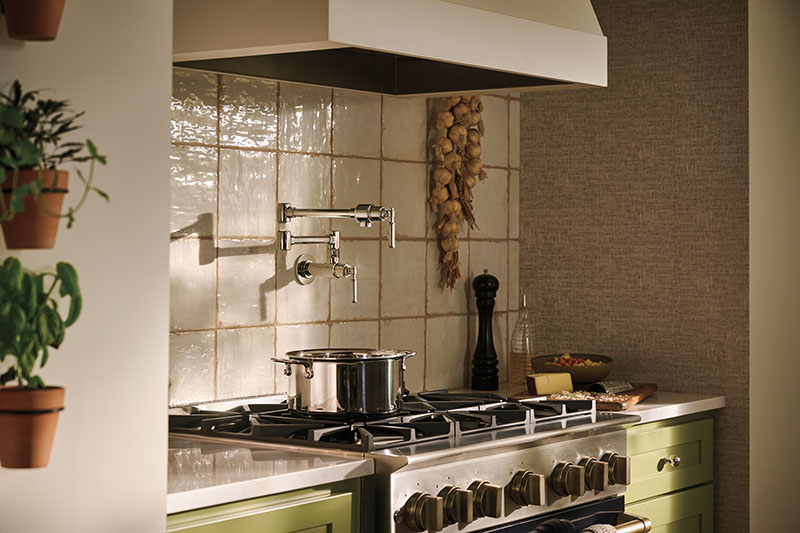
Pot fillers give you water right where you need it, no more hauling pots from sink to stove!

Pot fillers give you water right where you need it, no more hauling pots from sink to stove!

As you’re dreaming, keep in mind that you want your new space to suit your lifestyle, both functionally and aesthetically. 

If you have children, make sure your guest bathroom remodel can grow with them. If you like to have people over, design your kitchen and dining space to coexist happily and make entertaining easier. 

Think small too. A simple upgrade can make a world of difference in your daily flow without remodeling an entire room. 

For example, Replacing your kitchen faucet will give your space a style lift and, with the right features, make dinner prep a little easier.  

What about your beloved daily brew? Find out How Better Water Makes Better Coffee with a reverse osmosis water filtration system. Afterall, your renovation or refresh should bring a sense of enjoyment and satisfaction. 


Create a Realistic Budget

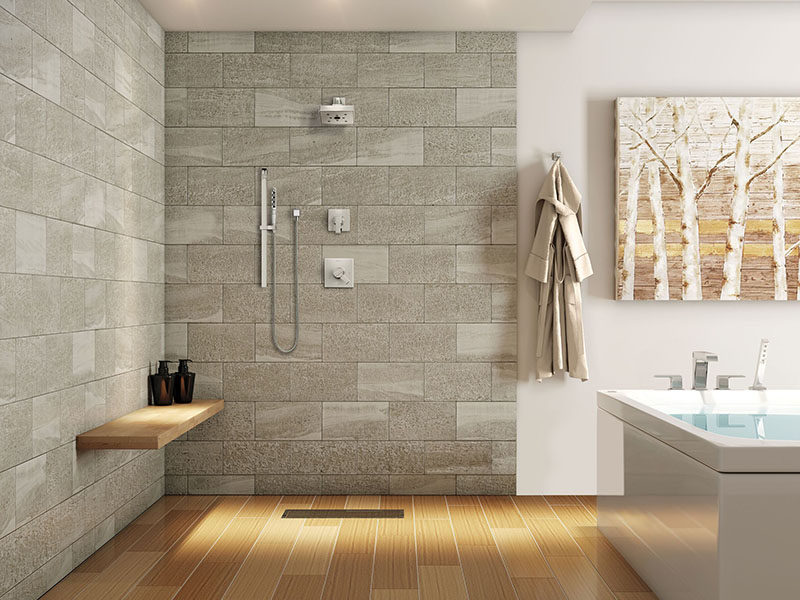
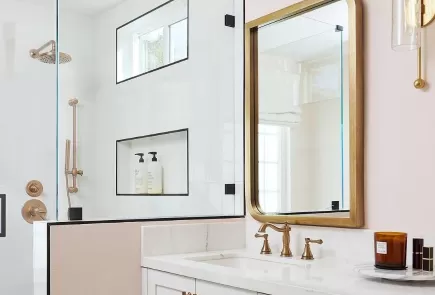
A walk-in shower can really open up your bathroom space

A walk-in shower can really open up your bathroom space

Detailing all of the expenses of your remodel will give you a clear picture of what the project might cost. Itemized tracking also will come in handy if budgetary surprises happen during your remodel and you need to pivot on some products.

For example, a freestanding copper tub amid a sea of travertine tile might have been the original plan, but if you find yourself needing to scale back, you may be able to find equally stunning, lower-cost ceramic tile instead. 

Perhaps some aspects of the remodel can wait longer than others, to give you time to grow your budget. Can you conserve resources in some spaces to make the most important rooms reflect the design of your dreams? Having a clear budget and detailed tally of expenses will help you prioritize projects, while still giving you the satisfaction of a refresh. 

Determine from the start what matters most to you in your remodel and then work in the other pieces.

As you put together your financial plan, make sure it has room for contingencies, such as unexpected plumbing repairs. Industry experts say contingency funds should be about 20 percent of your budget.


Determine Your Renovation Timeline and Project Plan

Interior remodels often involve months of planning before any work begins. In fact, the planning phase frequently lasts longer than the construction itself!

The 2024 U.S. Houzz & Home Study: Renovation Trends—a survey of more than 32,000 U.S. homeowners—shows that people typically spend about twice as much time planning their projects as they do on the build. Kitchen renovations are one of the longest, often approaching a year from first idea to finished space when you combine planning and construction.

Every remodel is different. An experienced professional can give you an idea of how long your project will take. Even if timing isn’t a major factor for you, you don’t want your project to drag on unnecessarily. 

Set deadlines for yourself during the planning stages. Before construction begins, make sure you have the contractor’s approximate start and end dates in writing (along with other details, such as a description of the project and payment terms).